
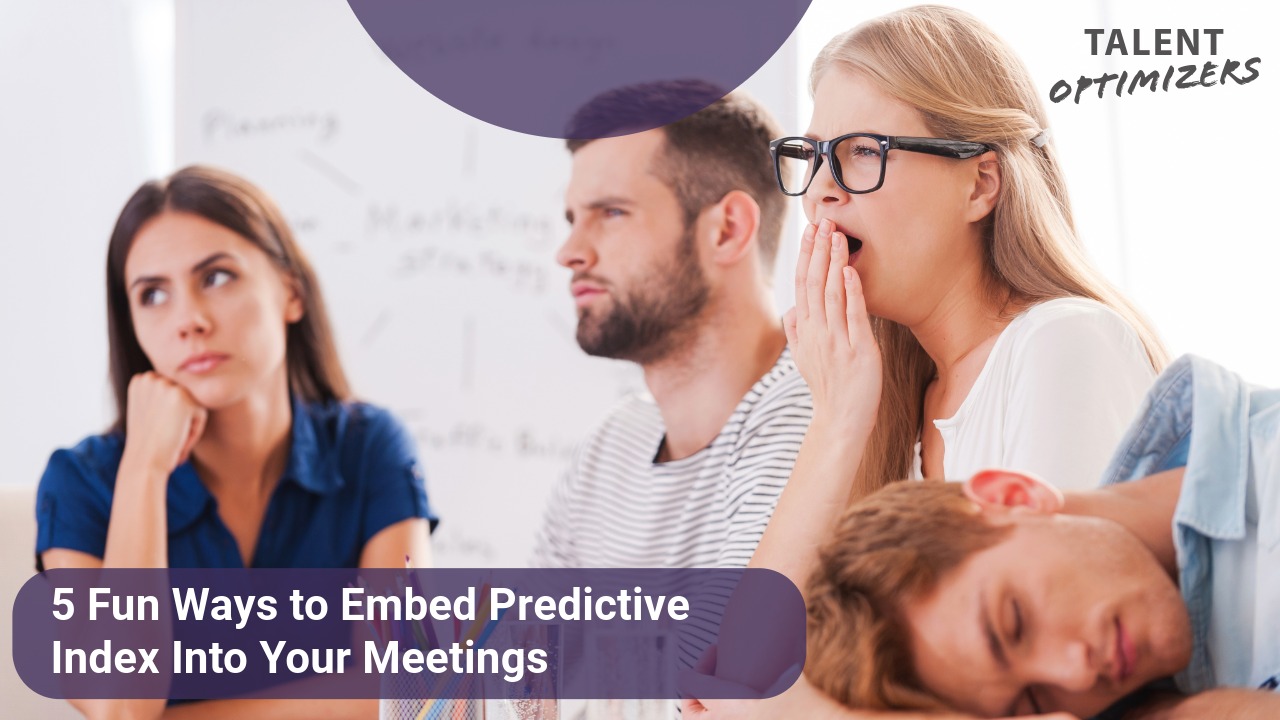
5 Fun Ways to Embed Predictive Index Into Your Meetings
Discover 5 fun ways to embed Predictive Index into your meetings and maximize your investment. Boost team engagement, collaboration, and retention...
2 min read
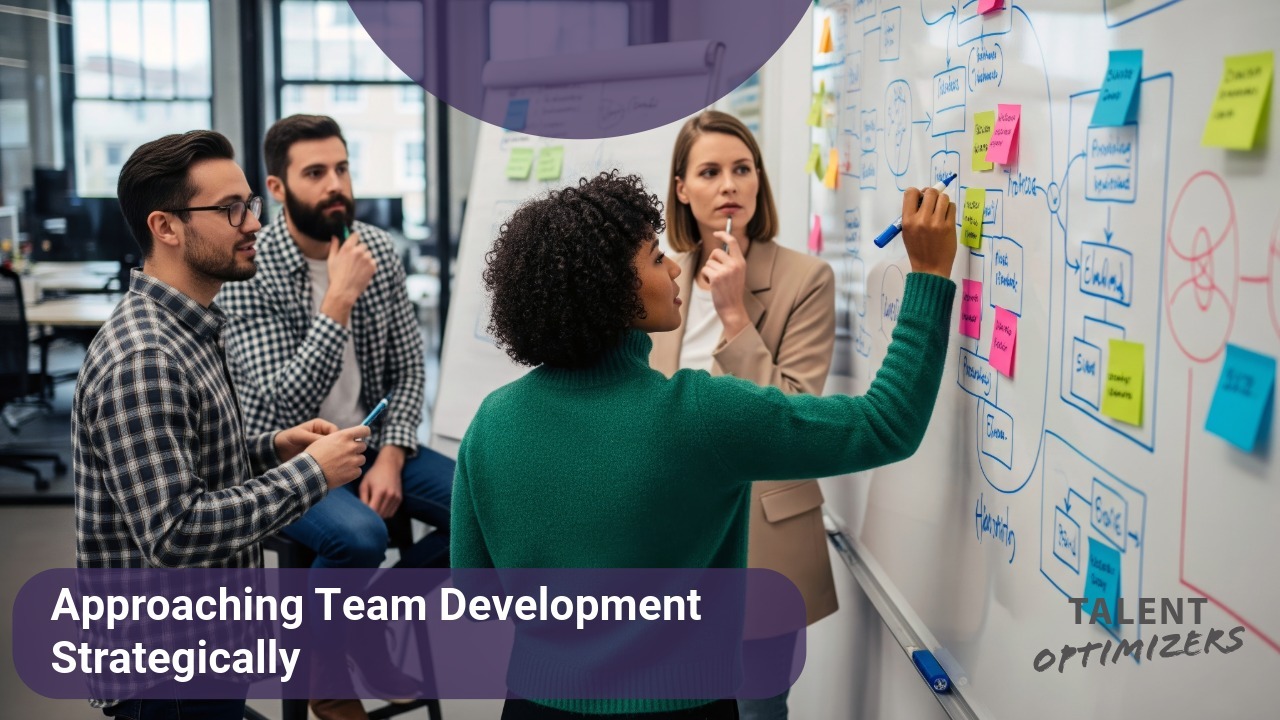
Most organizations say they want high-performing teams.
Fewer take a truly strategic approach to building them.
Too often, team development shows up as a line item attached to an executive offsite—planned late, disconnected from data, and impossible to measure. While these sessions may feel productive in the moment, they rarely create sustained change.
High-performing teams don’t start with activities.
They start with understanding.
Before deciding what a team should work on, leaders need clarity on where the real opportunities—and risks—exist. That requires data.
A diagnostic approach allows organizations to move beyond opinions and anecdotes and focus on what will drive the greatest impact. It also creates a baseline, making it possible to track progress and demonstrate ROI over time.
There’s no single “right” tool, but there are several effective options depending on your goals and maturity as a team:
360 feedback to understand leadership impact
The Five Behaviors to assess trust, conflict, commitment, accountability, and results
Employee engagement or experience surveys to identify systemic challenges
Pulse surveys for quick, real-time insight
Facilitated leadership working sessions to surface patterns, alignment gaps, and priorities
The key is not the tool itself—it’s how the data is used to guide action.
Starting with diagnosis ensures team development is:
Focused on the highest-impact issues
Aligned with business strategy
Measurable, with clear indicators of success
Sustainable, not a one-time event
This shifts team development from an expense to an investment.
While organizations can run these sessions internally, a third-party facilitator significantly increases the value:
Leaders are more candid in a neutral environment
Bias and internal politics are minimized
Data is interpreted objectively
Conversations stay productive and action-oriented
The result is deeper insight, stronger alignment, and faster progress.
To help leadership teams begin this journey, we’ve created a free Team Development Workshop Facilitation Kit. It’s designed to help teams diagnose, prioritize, and take action—without defaulting to another unstructured offsite.
If you want a high-performing team, don’t start with what sounds good.
Start with what the data tells you.
Discover 5 fun ways to embed Predictive Index into your meetings and maximize your investment. Boost team engagement, collaboration, and retention...
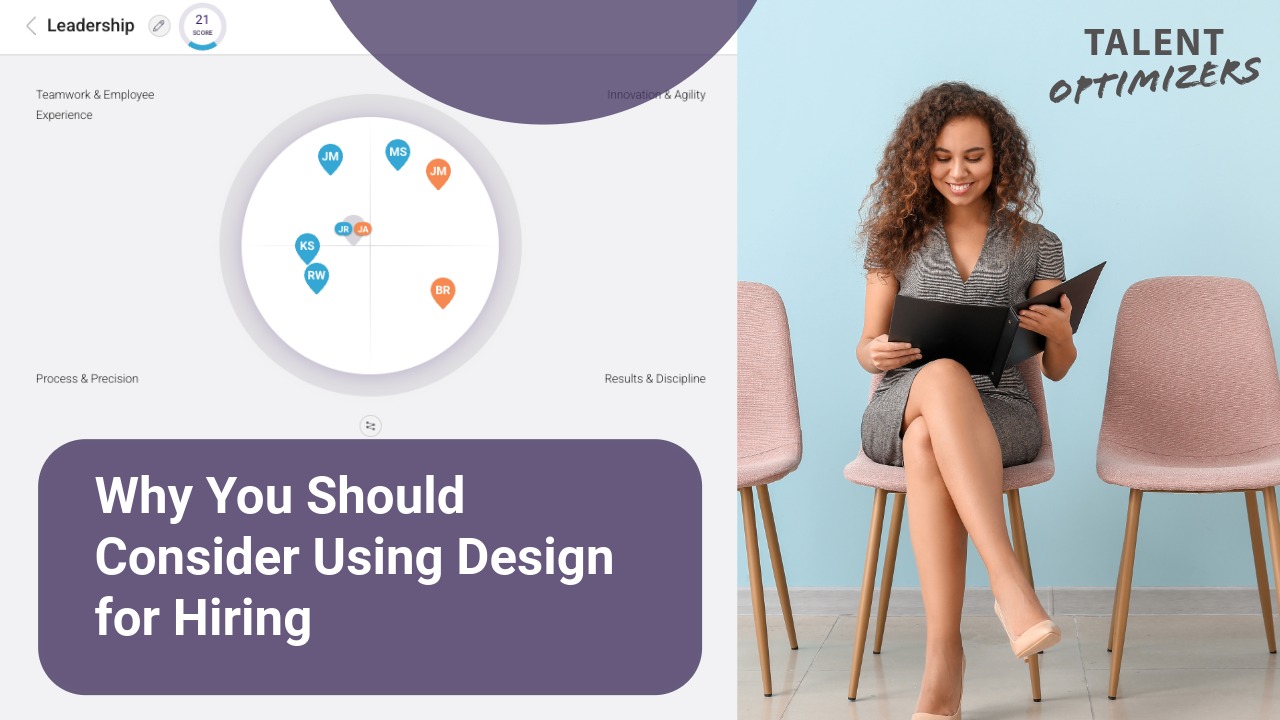
Learn how combining PI Hire with PI Design can improve your hiring decisions. Gain insight into team dynamics, candidate alignment, and strategic fit...
.jpeg)
Learn why relying solely on the PI star rating in Predictive Index Hire can be misleading and discover practical ways to dig deeper into candidate...