

PI No Fit Decisions: How to Communicate Them the Right Way
Learn how hiring managers can communicate Predictive Index “no fit” decisions humanely. Discover best practices for explaining role misalignment,...
4 min read
.jpeg)
Let’s clear something up straight away:
You cannot pass or fail a Predictive Index assessment.
It’s not a test. There are no right or wrong answers. And trying to “game” it is the fastest way to cheat… yourself.
The PI Behavioral Assessment is designed to understand how you’re hard-wired to work, not how badly you want the job. If you answer based on who you think they want, you might get hired—but three months in, when the honeymoon ends, you’ll likely find yourself drained, frustrated, or stuck doing work you don’t naturally enjoy.
PI exists to answer a much better question than “Can you do the job?”
It asks:
👉 “Will this work energize you—or exhaust you?”
The Predictive Index Behavioral Assessment measures four core behavioral drives (often called A, B, C, and D factors). Together, they describe how you:
Assert yourself
Influence others
Respond to structure
Handle pace and urgency
Organizations use PI to:
Reduce bad hires
Improve onboarding and manager effectiveness
Build balanced teams
Increase engagement and retention
Predict where someone may need support to succeed
Importantly:
Being off the job benchmark does not automatically disqualify you.
You might:
Be a strong culture add
Bring critical experience
Complement the team in ways the benchmark can’t capture
What PI does is surface where the work and your natural wiring may not perfectly align—so the organization can support you intentionally. This is the exact dynamic we talk about in the Head, Heart, Briefcase framework: skills and experience (briefcase) matter, but so do motivation (heart) and capability (head).
This is non-negotiable.
Answer based on:
How you actually behave
What gives you energy
How you prefer to work on a bad Monday, not a great Friday
If you try to “optimize” your answers:
The data becomes less useful
Your manager gets the wrong instruction manual
You’re setting yourself up for long-term friction
Remember:
PI isn’t there to judge you. It’s there to protect you.
If you receive your Reference Profile automatically—great.
If not, ask for a copy of your Behavioral Report.
Then:
Review your strengths
Understand your caution areas
Learn the language PI uses to describe you
This alone puts you ahead of 90% of candidates.
Don’t just say “I’m organized” or “I’m people-focused.”
Translate your PI strengths into job-relevant impact.
Example (Altruist profile):
“One of my strengths is being organized with strong follow-through. In my previous role, this showed up when I was regularly asked to be the note-taker for department leadership meetings. I ensured decisions were documented, actions assigned, and nothing slipped between meetings.”
Prepare 2–3 concrete examples that connect:
Your wiring → Your behavior → Business outcomes
Every PI profile has caution areas. Strong candidates don’t hide from them—they show awareness.
Ask yourself:
Where might this role stretch me?
What situations could drain my energy?
How have I handled this before?
Stronger Altruist example (improved):
“One of my caution areas is being perceived as overly cautious in highly ambiguous or fast-changing environments. In my last role, I proactively partnered with a colleague who was more strategic and future-focused. I asked them to challenge my thinking and pressure-test decisions when speed mattered. That balance helped me stay effective without over-deliberating.”
This shows:
Self-awareness
Coachability
Mature coping strategies
This is a power move—and completely appropriate in PI-led organizations.
You might say:
“Would you be open to sharing the behavioral profiles of the interviewing team so I can ensure I’m communicating in the most effective way?”
Why this matters:
Interviewing a Captain? Lead with outcomes, stay high-level, offer detail only if asked
Interviewing a Collaborator? Spend more time on relationships and team impact
Interviewing an Analyzer? Bring structure, logic, and data
This isn’t manipulation—it’s adaptive communication.
If you’ll be working closely with a manager, ask whether they can share a PI Relationship Guide.
This report highlights:
Natural strengths in the relationship
Likely friction points
Tips for working together effectively
Bonus insight:
This helps you assess whether this is someone you’ll thrive working with long-term.
Remember:
You’re interviewing them too.
If you want to go next-level:
Learn the A, B, C, and D factors
Understand common factor combinations
Familiarize yourself with Reference Profiles
👉 The PI Hacks YouTube channel has short, practical videos on:
Factor combinations
Profile breakdowns
Real-world application examples
Candidates who do this consistently stand out as more intentional and self-aware.
If the organization uses the PI Design module, ask:
“Would it be possible to see the team design and current objectives so I can understand how I might complement or balance the team?”
This helps you:
See where the team may be over- or under-represented behaviorally
Position yourself as a solution, not just a candidate
Speak directly to how you help achieve their goals
This is advanced—but incredibly effective.
If available, ask whether they can share the Job Insights Package.
They may say no—and that’s okay.
If they say yes, you’ll be able to:
Identify potential misalignment early
Prepare examples where you’ve adapted successfully
Discuss how you’d recognize and manage energy drains
That level of transparency builds trust on both sides.
The Predictive Index isn’t about getting hired at all costs.
It’s about finding work you’ll actually enjoy and succeed in.
When used well:
Candidates feel seen
Managers lead better
Teams perform stronger
And when you show up informed, honest, and self-aware?
You don’t just “crush” the PI interview—you elevate the entire conversation.
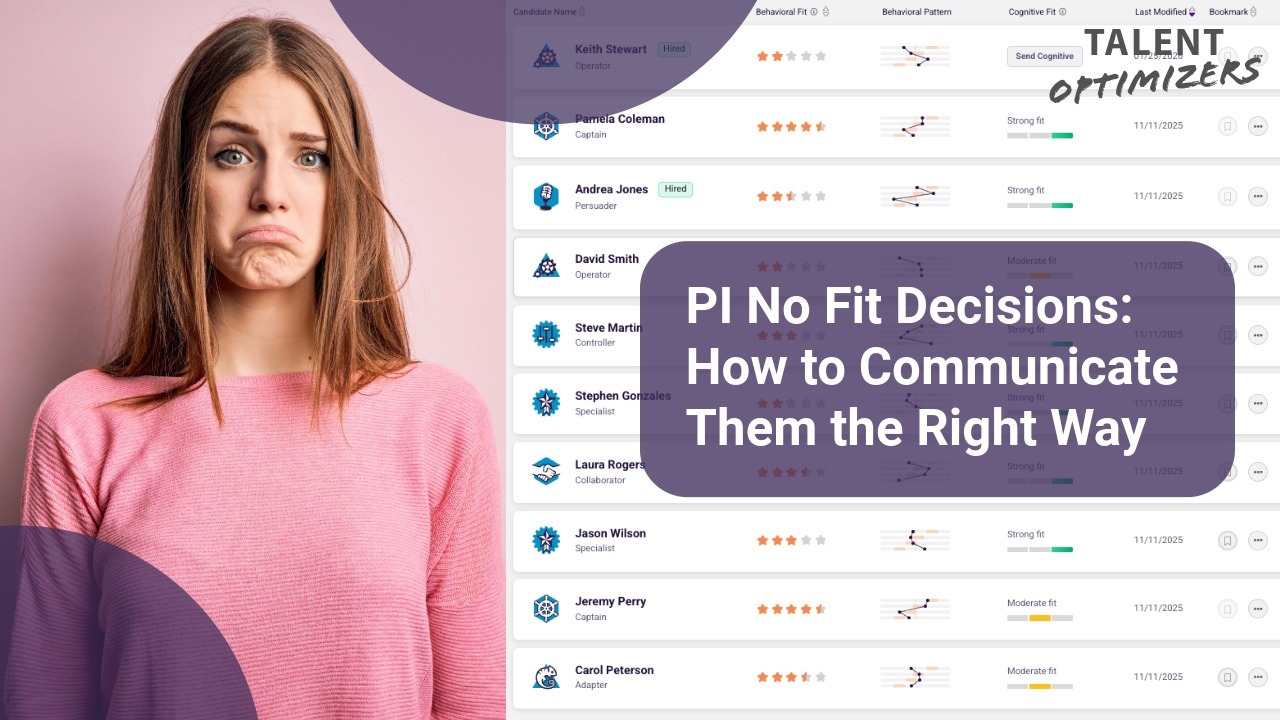
Learn how hiring managers can communicate Predictive Index “no fit” decisions humanely. Discover best practices for explaining role misalignment,...

Why being “nice” can undermine leadership effectiveness. Learn how the Last 8% and Predictive Index help leaders have tougher, higher-impact...
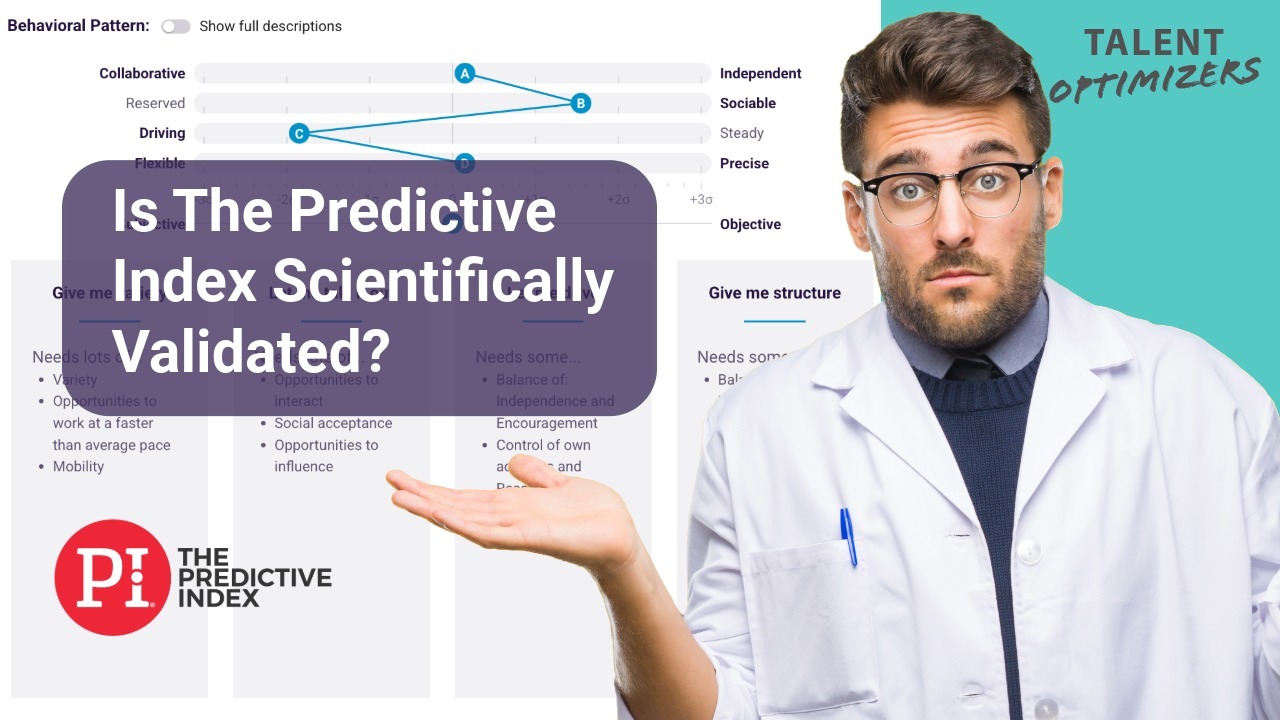
Learn how Predictive Index aligns with APA, SIOP, and ITC standards. Understand PI’s validation, reliability, and ethical foundations that make it a...