

2 min read
Introducing the Predictive Index Reference Profiles
Introducing the Predictive Index Reference Profiles When it comes to understanding workplace behavior, simplicity matters. That’s where the ...
3 min read
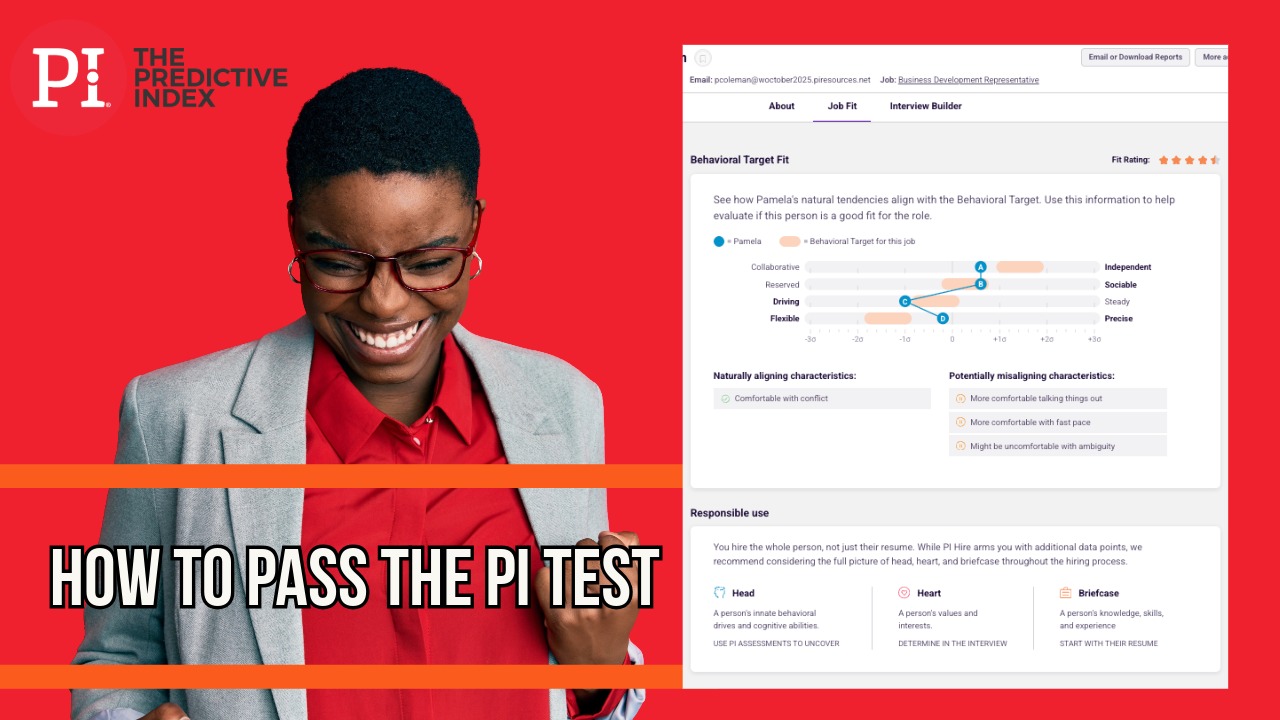
When it comes to understanding workplace behavior, simplicity matters. That’s where the Predictive Index (PI) Reference Profiles stand out.
Reference Profiles are a shorthand way to interpret the more complex four-factor model behind PI:
Dominance (A) – drive for results and control
Extraversion (B) – social energy and communication
Patience (C) – pace, consistency, and steadiness
Formality (D) – structure, rules, and precision
Rather than forcing leaders, managers, and individuals to memorize endless factor combinations, PI Reference Profiles group behavioral patterns into easy-to-remember profiles that make behavior practical and actionable from day one.
The Predictive Index is a behavioral and cognitive assessment platform used by organizations worldwide to understand employee motivations, communication styles, and work preferences. Their tools help employers match people to roles where they are most likely to succeed and enjoy their work.
A behavioral assessment measures natural tendencies and behavioral drives, not your skills or knowledge. The PI Behavioral Assessment evaluates factors like:
Employers use the PI to:
It’s important to note: your hiring decision will never be based purely on your PI results. Employers also consider experience, skills, culture fit, and qualifications.
For a deeper dive into this, check out our video on Head, Heart, Briefcase (link in comments).
The PI is designed to highlight your natural tendencies. If you misrepresent yourself to match a job, you may:
Instead, focus on preparation and understanding, which gives you the best chance to succeed authentically.
The Predictive Index assessment is a tool to help both you and the employer succeed. Preparation, awareness, and authenticity are key. By reviewing your profile, understanding the role, and preparing examples, you position yourself to stand out confidently and demonstrate both your strengths and self-awareness.

2 min read
Introducing the Predictive Index Reference Profiles When it comes to understanding workplace behavior, simplicity matters. That’s where the ...
3 min read
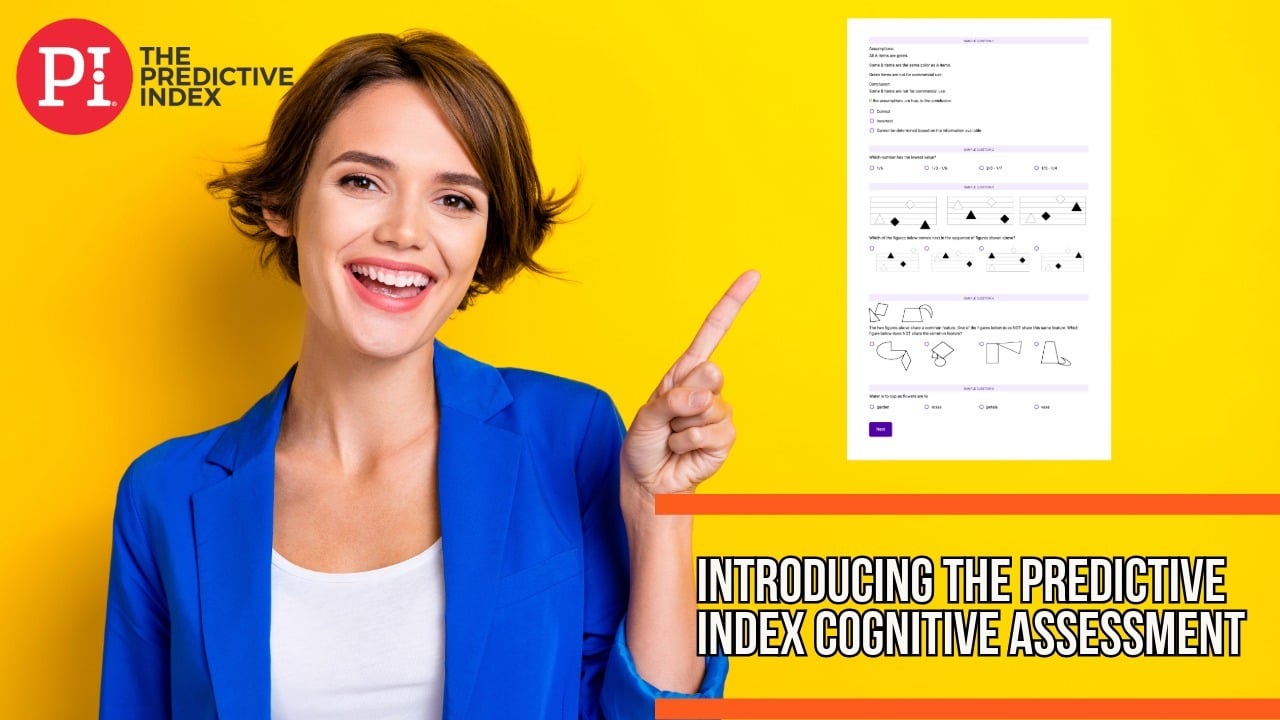
Introducing the Predictive Index Cognitive Assessment Welcome to Tools of Talent Optimization, where we break down the key Predictive Index modules...
.jpeg)
4 min read
The 100% Way to Crush Your PI Interview (Without “Passing” Anything) Let’s clear something up straight away:You cannot pass or fail a Predictive...