

When Strategy Isn’t the Problem — People Are
Why transformations fail isn’t strategy—it’s people. Explore HBR insights and how behavioral data helps leaders drive real, lasting change.
5 min read
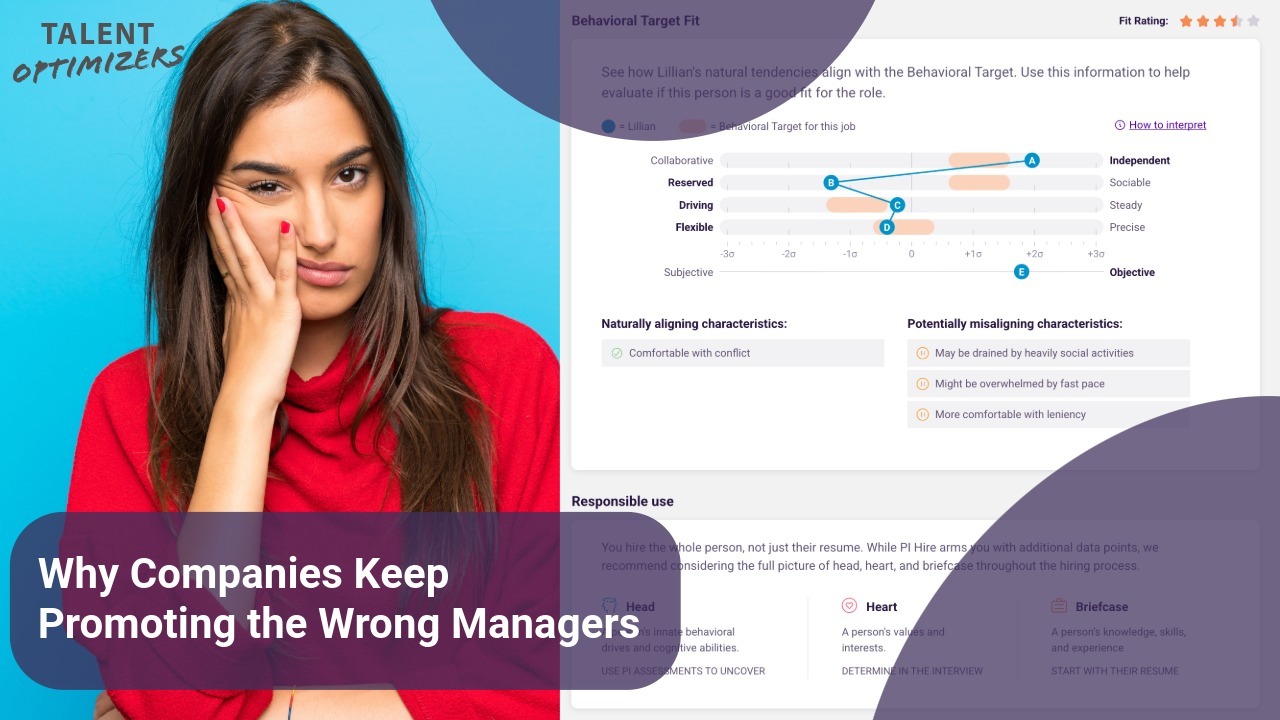
A recent article from Harvard Business Review (Stop Promoting the Wrong People into Manager Roles), referencing research from Gartner, highlights just how widespread the issue has become. One study found that one in four managers would actually prefer not to be managers at all. Even more concerning, fewer than half of employees report being satisfied with the quality of their manager. When leadership is ineffective, the impact quickly spreads across the organization. Productivity slows, engagement declines, and talented employees begin to disengage or leave. However, the underlying issue is rarely a lack of intelligence, capability, or motivation. More often, it is a problem of alignment between the person and the behavioral demands of the role.
Many organizations still promote managers based primarily on past performance. Someone excels as an individual contributor, consistently delivers results, and naturally becomes the next candidate for promotion. On the surface, this approach feels logical. If someone is great at their job, why wouldn’t they succeed in a leadership role? The problem is that the behavioral demands of the job change significantly. Individual contributor roles often reward behaviors such as:
• Deep technical expertise
• Independent problem solving
• Personal productivity and task execution
• Focused, specialized work
Management roles, however, require a different set of behaviors. Leaders must:
• Influence and motivate others
• Delegate work effectively
• Coach and develop team members
• Navigate difficult conversations and accountability
In other words, the role shifts from doing the work to enabling others to succeed. Without understanding that shift, organizations unintentionally set many new managers up for a difficult transition.

This is where the behavioral framework behind Predictive Index provides valuable insight. Before looking at examples, it is important to emphasize a key principle of Predictive Index: there are no bad behavioral profiles. Every profile brings a unique combination of strengths and caution areas, and every profile is capable of leading people successfully. Leadership simply looks different depending on the behavioral style of the individual. Understanding those differences allows organizations to support leaders more effectively and to place people in roles where their natural strengths can shine.
The Specialist profile often thrives in roles that require precision, consistency, and careful analysis. Individuals with this profile frequently bring strong attention to detail and thoughtful decision-making to their work. Behaviorally, Specialists often show patterns such as:
• Lower A – Dominance, reflecting a more thoughtful and measured approach to decision-making
• Lower B – Extraversion, meaning they may prefer focused work rather than constant social interaction
• Higher C – Patience, which supports consistency and stability
• Higher D – Formality, reflecting strong attention to rules, structure, and quality standards
These drives often create strengths such as:
• Careful analysis and planning
• Reliability and consistency
• Strong quality standards
• Thoughtful problem solving
When Specialists step into leadership roles, they often lead through expertise, structure, and thoughtful guidance. However, some leadership situations may require behavioral stretch, particularly when it comes to driving faster decisions, delivering difficult feedback, or navigating high-conflict conversations. That stretch does not mean Specialists cannot be excellent leaders. In fact, many create highly stable and well-structured team environments. It simply highlights the importance of understanding how leadership responsibilities may require adapting behavior in certain situations.
The Scholar profile often brings a similar analytical strength to organizations, combined with careful planning and thoughtful evaluation of information. Scholars frequently excel in environments that require deep thinking, structured problem-solving, and technical expertise. Their behavioral drives often support strengths such as:
• Analytical thinking and careful planning
• Thoughtful decision-making
• Attention to detail and accuracy
• Stability and reliability
When Scholars lead teams, they often guide through expertise and credibility. Their teams may benefit from thoughtful direction, careful planning, and a strong sense of structure. At the same time, certain leadership moments—particularly those involving rapid change or emotionally charged situations—may require additional behavioral stretch outside their natural tendencies. Again, this is not a limitation. It is simply part of the leadership journey.
One of the most powerful concepts within Predictive Index is the difference between Self and Self-Concept. Your Self represents your natural behavioral drives. It reflects how you tend to behave when you are not adapting to external expectations. Your Self-Concept reflects how you adjust those behaviors to succeed in your role or environment. For example:
• A Specialist leader may stretch their dominance when a situation requires quicker decision-making
• A highly social leader may stretch patience when coaching a team member through a complex development conversation
All effective leaders stretch their behavior in some way. The goal is not to change who someone is, but to help them understand their natural tendencies and intentionally adapt when necessary. This is a concept we explore frequently in the Talent Optimizers blog and in PI Hacks videos discussing Self vs Self-Concept.
According to Gartner research cited in the HBR article, nearly 80% of organizations prioritize past performance when selecting managers, while only a small percentage use structured assessments to evaluate leadership potential. That creates a predictable pattern:
• High performers are promoted
• Behavioral alignment with leadership is never evaluated
• Some new managers thrive, while others struggle
In many cases, individuals struggle not because they lack capability, but because the role requires behavioral strengths that were never clearly defined or evaluated during the promotion process.
This is where tools like Predictive Index Hire can make an enormous difference. Many organizations think of PI Hire purely as a recruiting tool for external candidates. In reality, one of its most powerful uses is internal promotions and leadership development. Organizations can use PI Hire to:
• Define what success looks like in a leadership role
• Understand the behavioral dynamics of the existing team
• Compare internal candidates to the behavioral requirements of the role
• Identify areas where development or coaching may help someone succeed
This approach does not limit leadership opportunities. Instead, it helps organizations make more informed decisions and better support individuals as they move into management roles.
Great leadership rarely happens by accident. When organizations combine clear role design, behavioral insight, and intentional development, they dramatically improve their chances of building strong leadership teams. Because the goal is not simply to reward past performance. The goal is to place people in roles where they—and their teams—can thrive. Better managers build stronger teams. Stronger teams build stronger organizations. Better Work. Better World.

Why transformations fail isn’t strategy—it’s people. Explore HBR insights and how behavioral data helps leaders drive real, lasting change.
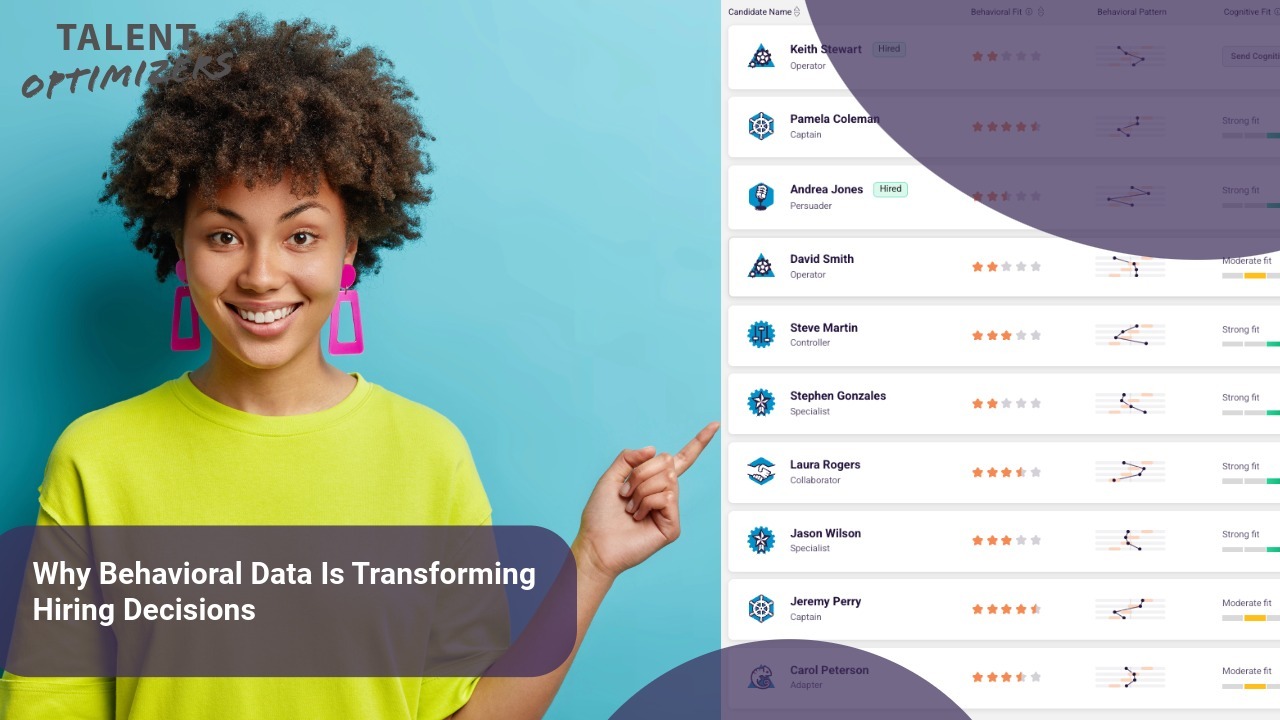
Discover how behavioral data improves hiring success, engagement, and retention. Learn practical strategies and book a free Behavioral Hiring...
.jpeg)
Learn how to approach a Predictive Index interview the right way. Discover why you can’t “pass” PI, how companies use it, and practical tips to stand...