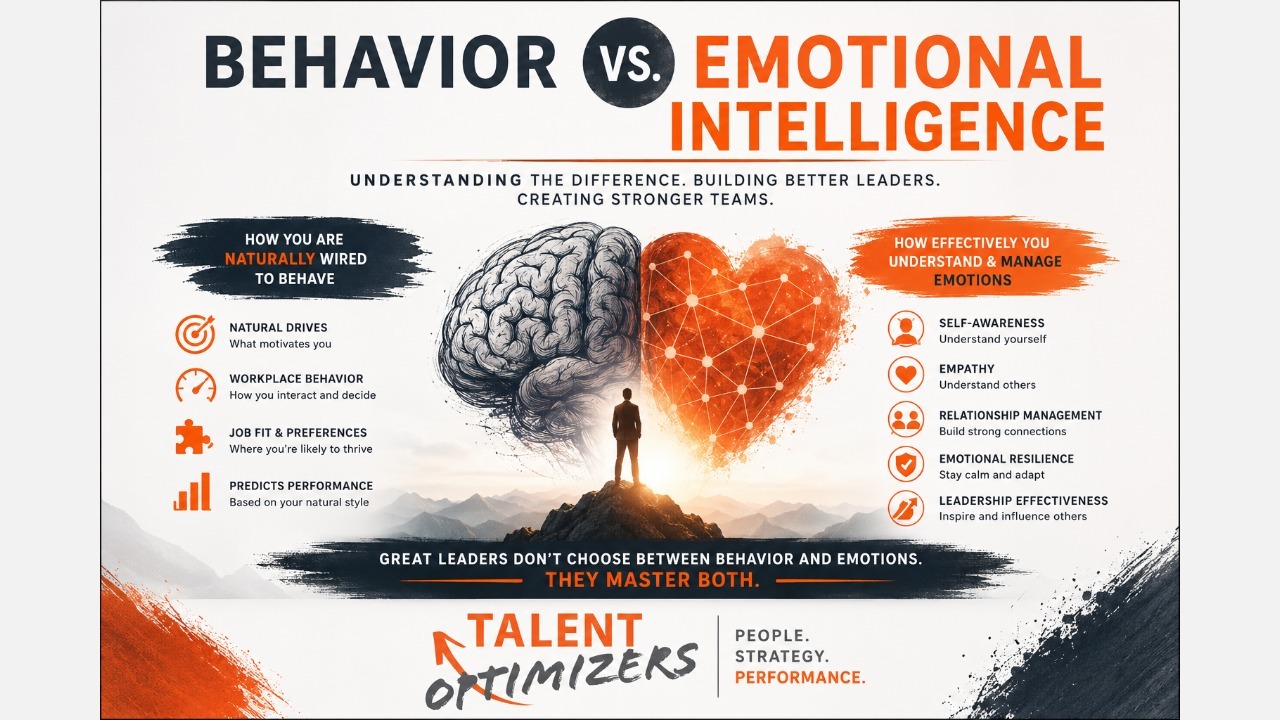
Most interviews are unstructured — which means most interviews are unreliable. Two candidates for the same role get asked different questions, judged by different standards, and evaluated on gut feel. Then everyone's surprised when the "great interview" doesn't turn into a great hire.
The STAR method fixes the biggest part of that problem. It's simple enough to use in your very next interview, and it's backed by decades of research on what actually predicts job performance. Here's what it is, why it works, and how to pair it with your PI data so you're not just running better interviews — you're running interviews that predict.
What Is the STAR Method?
STAR stands for Situation, Task, Action, Result. It's a structure for asking and answering behavioral interview questions — the "tell me about a time when…" questions — in a way that produces real evidence instead of vague claims.
- Situation — Set the stage. What was the context, the environment, the challenge? What was happening, and why did it matter?
- Task — What needed to be done? This clarifies the responsibility and the goal.
- Action — What did this person specifically do? What decisions did they make, what skills did they apply? This is where the real signal lives.
- Result — What happened because of those actions? What changed? Ideally, something concrete and measurable.
Ask a candidate to walk through all four, and you stop getting "I'm a strong communicator" and start getting an actual story you can evaluate.
Why It Works
The logic behind STAR is the same logic behind all behavioral interviewing: past behavior predicts future behavior far better than a candidate's opinion of themselves does. Anyone can claim to be a strong leader. Far fewer people can walk you through the specific situation, the specific action they took, and the specific result — in that order, under a little pressure — if they didn't actually live it.
For candidates, STAR gives you a way to tell your story with clarity and confidence instead of leaning on generalities you hope land well.
For hiring teams, it does something even more valuable: it standardizes the interview. Instead of a different, rambling conversation with every candidate, you get consistent, comparable responses to comparable questions. And that consistency isn't just tidier — it's more predictive. Structured interviews, where every candidate answers similarly structured questions, are well established as better predictors of future job performance than unstructured, ad-hoc conversations.
Where PI Fits In
Here's the piece most interviewers skip: STAR tells you how to ask a good question. It doesn't tell you which questions actually matter for this role. That's where your PI data comes in.
Your PI Behavioral and Cognitive Assessments define what capabilities and drives actually matter for a role before you ask a single question. Pair that data with STAR-structured interviews, and you're no longer guessing — you're validating specific, pre-identified capabilities with specific, real evidence. That combination is what actually moves the needle on hiring accuracy. Neither piece does it alone.
How This Maps to Head, Heart, Briefcase
If you've followed our Head, Heart, Briefcase model, this will click immediately:
- Head — how someone thinks and behaves. This is what your PI Behavioral and Cognitive Assessments already measure for you. No interview question required.
- Heart — their motivation and values. There's no assessment for this one. You validate it with a STAR-structured conversation built from scratch.
- Briefcase — what they've actually done, and how well they've delivered. You validate this with a STAR-structured question that converts a resume line or a generic competency question into real evidence.
PI hands you the Head. STAR is how you validate the Heart and the Briefcase. Together, that's the whole person — not just what's on the page.
Get the Free Guide
We put together a full STAR Interview Guide — built around this exact Head, Heart, Briefcase framework — with the process for locking in your Job Target, dozens of worked examples converting values themes and resume lines into real STAR questions, and a companion worksheet with room to build your own for every role you hire.
[Download the STAR Interview Guide →]
Watch the Full Breakdown
Want the full walkthrough, with more on how structured interviews compare to unstructured ones and why this combination works so well? Watch the video below, then check the link in the description for the guide and sample questions.
.jpeg)